Inspections
Hive inspection journal software
ApiaryPilot's hive inspection journal turns each visit to the apiary into a structured, searchable record — queen status, brood pattern, stores, temperament, treatments and photos — so you can see how every colony has developed instead of guessing from memory.
Last updated
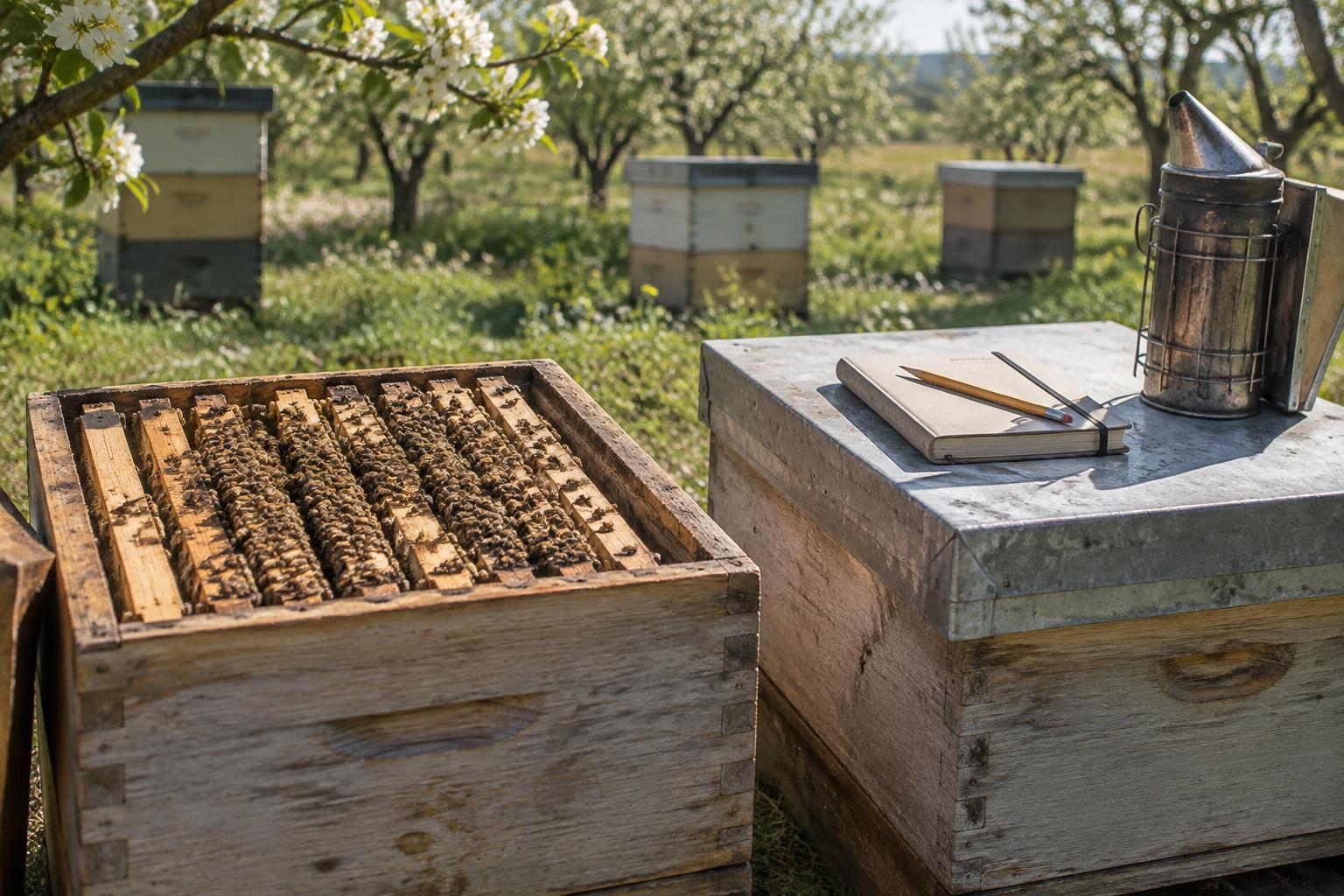
What a digital hive inspection journal records
A paper hive card works until the season gets busy. Cards get wet, they stay in the shed when you need them at home, and comparing a colony's May notes with its August notes means shuffling through a stack of cardboard. A digital inspection journal keeps the same information, but it stays legible, searchable and always with you.
Each ApiaryPilot inspection is a short guided form built for gloved hands and bright sunlight. You step through the questions a beekeeper actually asks at the hive, and the app fills in the date, the apiary, the hive and the weather for you.
- Queen status: seen, not seen, eggs present, marked colour, queen cells found
- Brood: frames of brood, pattern quality, drone brood, any disease signs
- Stores: frames of honey and pollen, whether feeding is needed
- Colony strength: frames of bees, temperament, calmness on the comb
- Space: supers added or removed, current hive configuration
- Actions: treatments applied, feed given, equipment swapped, follow-up tasks
- Photos of frames, entrances or anything you want a second opinion on later
Inspections designed for the apiary, not the office
Records only help if they get filled in while you are standing at the hive. ApiaryPilot's inspection flow uses large tap targets, short question sets and sensible defaults so a routine inspection takes under a minute per colony. If a colony is boringly healthy, you can say so in three taps and move on.
Signal in an apiary is rarely good. Inspections keep working offline and sync as soon as your phone reconnects, so a field with no bars is not a reason to fall back to a notebook.
Every saved inspection generates a short plain-language summary, so scanning back through a colony's season reads like a diary rather than a spreadsheet.
Turning notes into decisions
The real value of a hive journal appears the second time you open it. A colony timeline shows every inspection, treatment and harvest side by side, so questions like "has this colony been slow to build up every spring, or only this year?" take seconds to answer.
Because inspections are structured, ApiaryPilot can compare colonies as well as track them. Weak colonies, queenless colonies and hives you have not visited for too long surface on the dashboard rather than waiting to be noticed.
Follow-up items you flag during an inspection become tasks with due dates. The next time you head out, your to-do list is already grouped by apiary, so you carry the right equipment on the first trip.
Records you can hand to somebody else
Inspection records matter beyond your own curiosity. Bee inspectors, buyers, landowners and association mentors all occasionally need to see what happened and when. ApiaryPilot exports any date range as a branded PDF report or a data file, complete with treatment history and photos.
If you keep bees with other people, shared records remove the weekly "did anyone check hive 12?" conversation. Team plans give each member a role, so helpers can read and add inspections while managers control the apiary setup.
Everything is stored in the EU with GDPR-compliant handling, and you can export or delete your records whenever you want. Your hive history belongs to you.
Questions
Frequently asked questions
What should be in a hive inspection record?
At minimum: the date, the hive, whether the queen or eggs were seen, frames of brood, frames of bees, stores, any disease or queen cells, and what you did about it. Adding weather and temperament makes later comparisons far more useful, and a photo settles arguments you would otherwise have with yourself.
How long does a digital inspection take?
A routine colony takes roughly 30 to 60 seconds to record in ApiaryPilot, because the form defaults to the normal answers and you only change what is different. Complicated colonies take longer simply because there is more to say.
Does the inspection journal work without internet?
Yes. Inspections are captured on your device and sync automatically when the connection returns, so out-apiaries with no coverage are not a problem.
Can two beekeepers inspect the same apiary?
Yes. On Team and Commercial plans, several members share the same apiaries and hives, each inspection is attributed to the person who recorded it, and roles control who can edit records.
Get started
Try it with your own hives
Start a 7-day free trial — no credit card needed. Plans start at €9 per month and include the full ApiaryPilot Academy.